The Nature of Luck in Gambling
The concept of luck in gambling often sparks passionate debates among players and experts alike. Some believe that luck is a mystical force, while others argue that it is purely a matter of statistical probability. In a casino setting, luck can be viewed as an unpredictable element that can significantly influence the outcome of games like slots, poker, and roulette. For those exploring options like neosurf casino , the inherent randomness of these games means that, to some extent, luck plays a crucial role, especially in short-term scenarios where chance can sway results dramatically.
For example, consider a roulette wheel where players place bets on various outcomes, from single numbers to colors. The result of each spin is entirely random, and while strategic betting may improve odds, the final outcome still hinges on luck. In slot machines, the random number generators (RNG) determine spins with no player influence, making luck the only factor at play. This randomness can lead to exhilarating wins or frustrating losses, both of which highlight the unpredictable nature of luck in gambling.
Moreover, the psychological component of luck adds another layer to its influence. Many players develop superstitions and rituals, believing that certain behaviors or lucky charms can sway fate in their favor. These beliefs can cause players to feel a stronger connection to their outcomes, amplifying the perception of luck as a definitive force in their gaming experience. Ultimately, while luck remains an enigmatic concept, its impact on casino games is undeniable, shaping not only the results but also the overall gambling experience.
The Role of Skill and Strategy
While luck undeniably plays a part in casino outcomes, the role of skill and strategy cannot be overlooked. Unlike games of pure chance, such as slots, games like poker and blackjack incorporate elements of strategy that can mitigate the randomness of luck. Skilled players can make informed decisions based on probability, psychology, and game theory, thereby increasing their chances of winning despite the inherent luck component. For instance, in blackjack, players can use strategies like card counting to gain an edge over the house, demonstrating that skill can significantly impact the outcome.
In poker, understanding opponents’ behavior and employing bluffing techniques can tilt the odds in a player’s favor. This combination of skillful play and luck creates a dynamic environment where outcomes can be influenced by experience and strategy, contrasting with games of chance where players are merely at the mercy of luck. Players with a strong understanding of strategy can better position themselves to capitalize on lucky breaks when they occur, blending their skills with the unpredictable nature of luck.
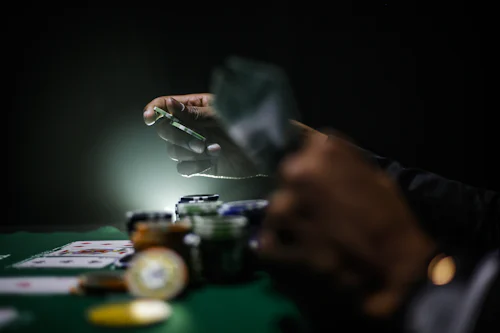
However, it is essential to recognize that skill does not eliminate luck. Even the most seasoned players can fall victim to a bad run of luck, where unfavorable draws or card distributions lead to losses. Thus, while skillful play may enhance the likelihood of winning, it is essential to understand that luck will always be a significant player in the outcomes of casino games. This interplay between luck and skill adds a rich layer of complexity to the gaming experience, making it both thrilling and challenging.
The House Edge and Its Implications
A fundamental concept in understanding outcomes in casino games is the notion of the house edge. All casino games are designed with a built-in advantage for the house, meaning that, over time, players are statistically likely to lose more than they win. This edge is what allows casinos to operate profitably and is a critical factor that influences long-term outcomes. For players, this means that while luck can lead to short-term wins, the overall results are ultimately governed by the house edge, which is a stark reminder of the reality of gambling.
For instance, in a game like roulette, the presence of the zero (or double zero) ensures that the house has an edge over players betting on outcomes. This means that, regardless of how lucky a player feels, the odds are structured to favor the house in the long run. Understanding the house edge helps players make better decisions about where to place their bets and how much to wager, emphasizing the need for a balanced approach that includes both luck and strategy. Knowledge of the house edge can empower players to make informed choices during their gaming sessions.
Moreover, the house edge can affect how players perceive their luck during a gaming session. A series of wins may boost confidence, leading players to disregard the statistical reality that they are still playing against the house. This psychological aspect, combined with the randomness of luck, can lead to the phenomenon of ‘hot streaks’ where players feel invincible. However, these streaks are often temporary, highlighting the transient nature of luck and the importance of maintaining a grounded perspective when gambling. Recognizing the house edge can help players temper their expectations and approach their gaming experience with a more realistic mindset.
The Social and Emotional Aspects of Luck in Gambling
The influences of luck in casino outcomes extend beyond the mathematical implications and delve into the social and emotional dimensions of gambling. Many players engage in gaming not only for the thrill of winning but also for the shared experiences with others, where luck can forge bonds between players. The communal atmosphere of a casino, especially during moments of serendipity, can enhance the perception of luck. Players often celebrate wins together, reinforcing the idea that luck is a shared experience that can create camaraderie among participants.

However, this social aspect can also lead to emotional highs and lows. The excitement of a big win can lead to feelings of euphoria, creating a powerful psychological feedback loop that can encourage continued play. Conversely, losing streaks can foster frustration and disappointment, highlighting how deeply intertwined luck is with emotional responses in gambling. This dual nature of luck creates a captivating experience that can be both delightful and discouraging, making it essential for players to navigate their emotional responses wisely.
Moreover, the impact of luck can be magnified by external factors, such as media portrayals of gambling. Stories of remarkable wins and miraculous luck in games can fuel the belief that anyone could strike it rich. This can lead players to chase losses or engage in overly optimistic betting, driven by the belief that luck is just around the corner. Recognizing the social and emotional dimensions of luck can help players maintain a healthier approach to gambling, balancing excitement with realism and fostering a more sustainable gaming experience.
Exploring Responsible Gaming Practices
Understanding the role of luck in casino outcomes is crucial for fostering responsible gaming practices. Acknowledging that luck is a factor can help players maintain realistic expectations, preventing the common pitfalls of chasing losses or gambling beyond their means. By cultivating an awareness of how luck influences their gaming experiences, players can make more informed decisions and resist the urge to rely solely on luck for success. This shift in mindset can lead to healthier gambling habits that prioritize enjoyment over financial gain.
Responsible gaming also involves setting limits and recognizing the warning signs of problematic gambling behavior. Players should approach gaming as a form of entertainment rather than a means of income, acknowledging that while luck can lead to wins, it can also lead to losses. Creating a balanced gaming strategy that incorporates both luck and skill can enhance the enjoyment of gaming while minimizing the risks associated with chasing elusive luck. Setting limits on time and money spent can prevent players from falling into the trap of relying on luck as a solution to financial issues.
Ultimately, responsible gaming practices empower players to enjoy the excitement of the casino while understanding the realities of gambling. By embracing the dual nature of luck and skill, players can navigate the unpredictable landscape of casino gaming with confidence, making informed choices that lead to fulfilling and enjoyable experiences. This balanced approach not only enhances the gaming experience but also promotes a sustainable and responsible attitude toward gambling.