The allure of gambling: What draws people in
The allure of gambling is a complex interplay of psychological factors that draws people into the casino environment. The thrill of winning, the vibrant lights and sounds of slot machines, and the social interaction found at gaming tables form an intoxicating mix that captivates many individuals. Many gamblers are attracted by the prospect of life-changing jackpots, with the fantasy of winning big acting as a powerful motivator. For those interested in quick payouts, the option of playing at an online casino ontario fast withdrawal can enhance the excitement and convenience of their gaming experience. The excitement generated in such an environment can often overshadow the potential risks involved, making it easy for individuals to forget the harsh realities of gambling losses.
Moreover, the design of casinos plays a critical role in attracting players. These establishments are meticulously crafted to create an immersive experience that encourages prolonged engagement. For instance, the absence of clocks or windows eliminates the sense of time, allowing patrons to lose track of the hours spent gambling. This carefully engineered environment is meant to heighten the emotional responses associated with risk-taking and reward, making it challenging for gamblers to disengage once they have begun their gaming experience. The ambiance, with its alluring décor and enticing aromas, further enhances the draw of the gambling experience.
Compounding this effect is the social aspect of gambling. Casinos often provide opportunities for social interaction, and many individuals view gambling as a form of entertainment to enjoy with friends or family members. This communal aspect can amplify the excitement and reduce feelings of isolation, making the activity more appealing. The combination of psychological triggers, environmental design, and social connections creates a potent attraction to gambling, making it a difficult habit for many to resist. Understanding these dynamics is crucial for both players and those concerned about their gambling behavior.
Risks and rewards: The psychology of decision-making
The decision-making process in gambling is profoundly influenced by psychological principles, especially those related to risk and reward. Gamblers often exhibit behaviors consistent with loss aversion, a psychological phenomenon where individuals prefer to avoid losses rather than acquire equivalent gains. This can manifest in behaviors such as chasing losses, where players continue to gamble in hopes of recouping their earlier expenditures, even when the odds are stacked against them. Such irrational decision-making can lead to significant financial detriment and emotional turmoil.
Additionally, the concept of intermittent reinforcement plays a crucial role in shaping gambling behavior. When individuals win sporadically rather than consistently, the thrill of winning becomes more pronounced. This unpredictability can create a strong craving to continue gambling, as players remain hopeful that the next bet might yield a significant return. The excitement of the potential reward often overshadows the rational assessment of risks, leading gamblers to take greater risks with their investments. This cycle of hope and disappointment can be incredibly powerful, keeping players engaged far longer than they intended.
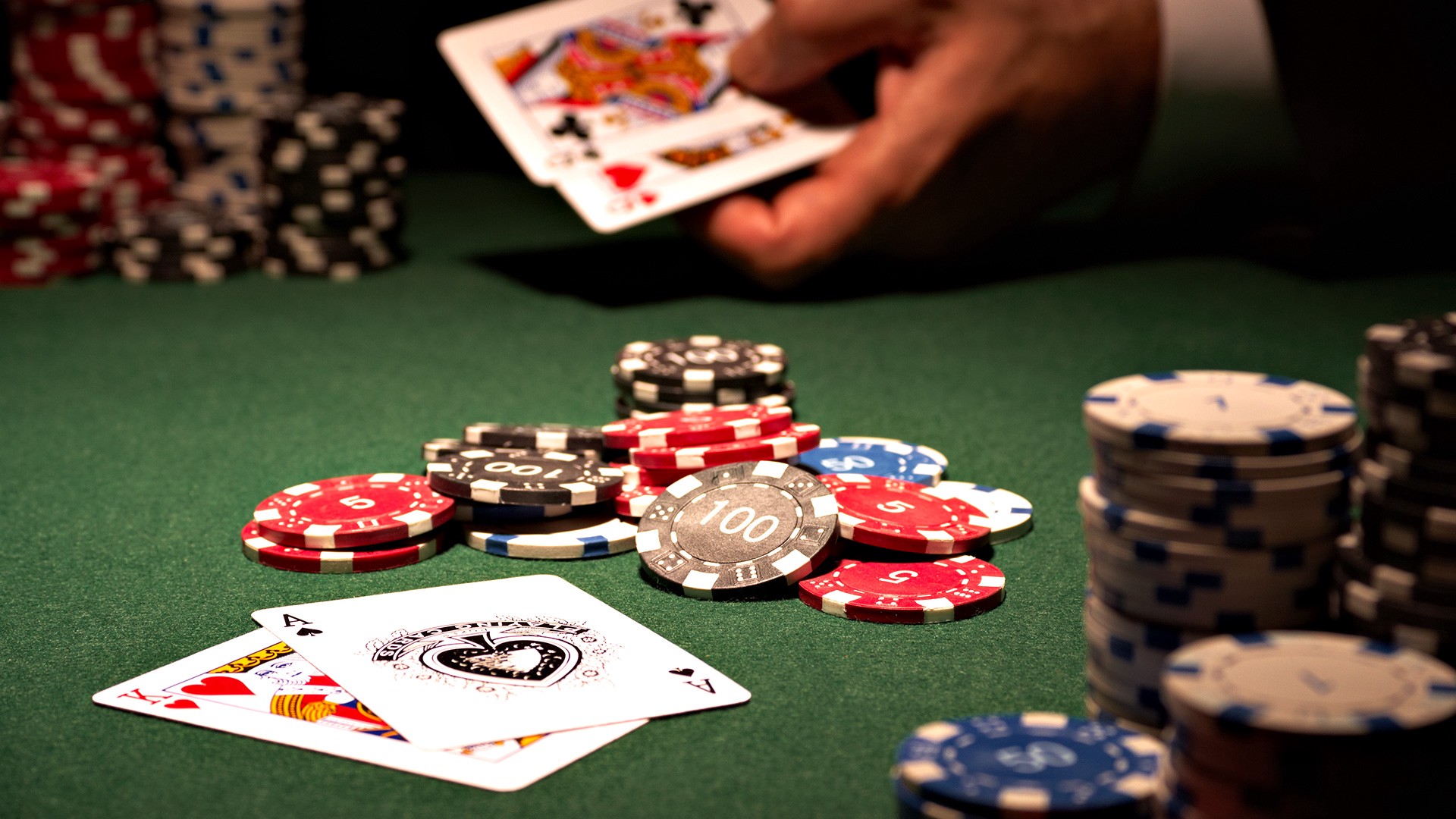
Understanding the psychology behind these decision-making processes can shed light on why many people struggle with gambling addiction. The constant battle between the desire for reward and the fear of loss creates a volatile emotional landscape that can be difficult to navigate. Furthermore, specific cognitive biases that gamblers exhibit, such as the gambler’s fallacy—believing that past events will influence future outcomes—can perpetuate a cycle of unsuccessful gambling behavior. Recognizing these psychological factors is essential in promoting responsible gambling practices and encouraging healthier decision-making among players.
The emotional rollercoaster of gambling
Gambling is an emotional experience, often characterized by highs and lows that mirror the ups and downs of winning and losing. The euphoric highs associated with winning can lead to feelings of elation and invincibility, encouraging individuals to continue betting. Conversely, losses can evoke emotions ranging from disappointment to despair, potentially leading to emotional distress and withdrawal from social interactions. This rollercoaster of emotions can profoundly affect mental health and overall well-being, making it crucial to acknowledge how gambling can impact a person’s emotional state.
Many gamblers struggle to cope with the emotional challenges that come with the territory. The addiction to gambling can create a vicious cycle where individuals gamble to escape negative feelings, only to exacerbate those feelings through further losses. The emotional toll of gambling can result in significant psychological issues, including anxiety, stress, and depression. Recognizing these emotional responses is crucial for understanding the broader impacts of gambling behavior on individuals and their relationships with others.
Additionally, it is important to acknowledge the role of emotional regulation in gambling. Some individuals may engage in gambling as a means of coping with stress or anxiety, utilizing it as a form of escapism. This behavior can be especially prevalent in individuals facing significant life challenges, as gambling may provide temporary relief from their difficulties. However, this reliance on gambling to manage emotions can lead to a harmful dependency that requires intervention and support for recovery. Understanding these emotional dynamics is essential for developing strategies to promote healthier gambling habits.
Social implications of gambling behavior
The social implications of gambling behavior extend far beyond the individual, affecting families, communities, and even economies. Problem gambling can lead to financial instability, which can strain relationships and create conflicts within families. Those who support a gambler often face emotional turmoil, grappling with feelings of helplessness, anger, and disappointment. The ripple effects can disrupt family dynamics, leading to communication breakdowns and a loss of trust among loved ones.

At the community level, gambling behavior can significantly influence local economies in both positive and negative ways. While casinos may generate revenue and create jobs, they can also contribute to social issues such as crime and addiction. The presence of gambling facilities can lead to increased rates of problem gambling, putting pressure on local resources and support services. Communities often find themselves dealing with the consequences of gambling behavior, which can hinder overall social well-being and create a cycle of economic challenges.
Moreover, the normalization of gambling in society can further perpetuate these issues. As gambling becomes more accepted and integrated into popular culture—through advertisements, media representation, and even sports sponsorships—individuals may be more likely to engage in risky gambling behaviors. This normalization can obscure the dangers associated with gambling, making it essential to foster awareness and promote responsible practices within communities. By addressing these social implications, society can work towards creating a healthier environment for all individuals.
Learning and resources for responsible gambling
Understanding the complexities of gambling behavior is essential for promoting responsible gambling practices and reducing the prevalence of addiction. Various resources and educational programs are available to help individuals recognize the signs of problematic gambling and develop healthier patterns. These educational initiatives often focus on fostering awareness about the risks associated with gambling, teaching coping strategies, and encouraging individuals to seek help if they find themselves struggling with their gambling habits.
Many organizations provide support for those affected by gambling, including counseling services and peer support groups. These resources can be invaluable for individuals grappling with addiction, offering a safe space to share experiences and learn from one another. Additionally, these programs often emphasize the importance of setting limits and maintaining control over one’s gambling behavior, reinforcing the idea that gambling should be a form of entertainment rather than a means of escape. By providing education and support, individuals can make informed decisions about their gambling activities.
Ultimately, cultivating a culture of responsible gambling requires a concerted effort from various stakeholders, including individuals, families, communities, and organizations. By working together to promote education, awareness, and support, society can create an environment that prioritizes the well-being of all individuals. Encouraging open discussions about gambling and its potential risks can foster a healthier approach to this popular form of entertainment, ensuring that gambling remains a safe and enjoyable activity for those who choose to partake.